
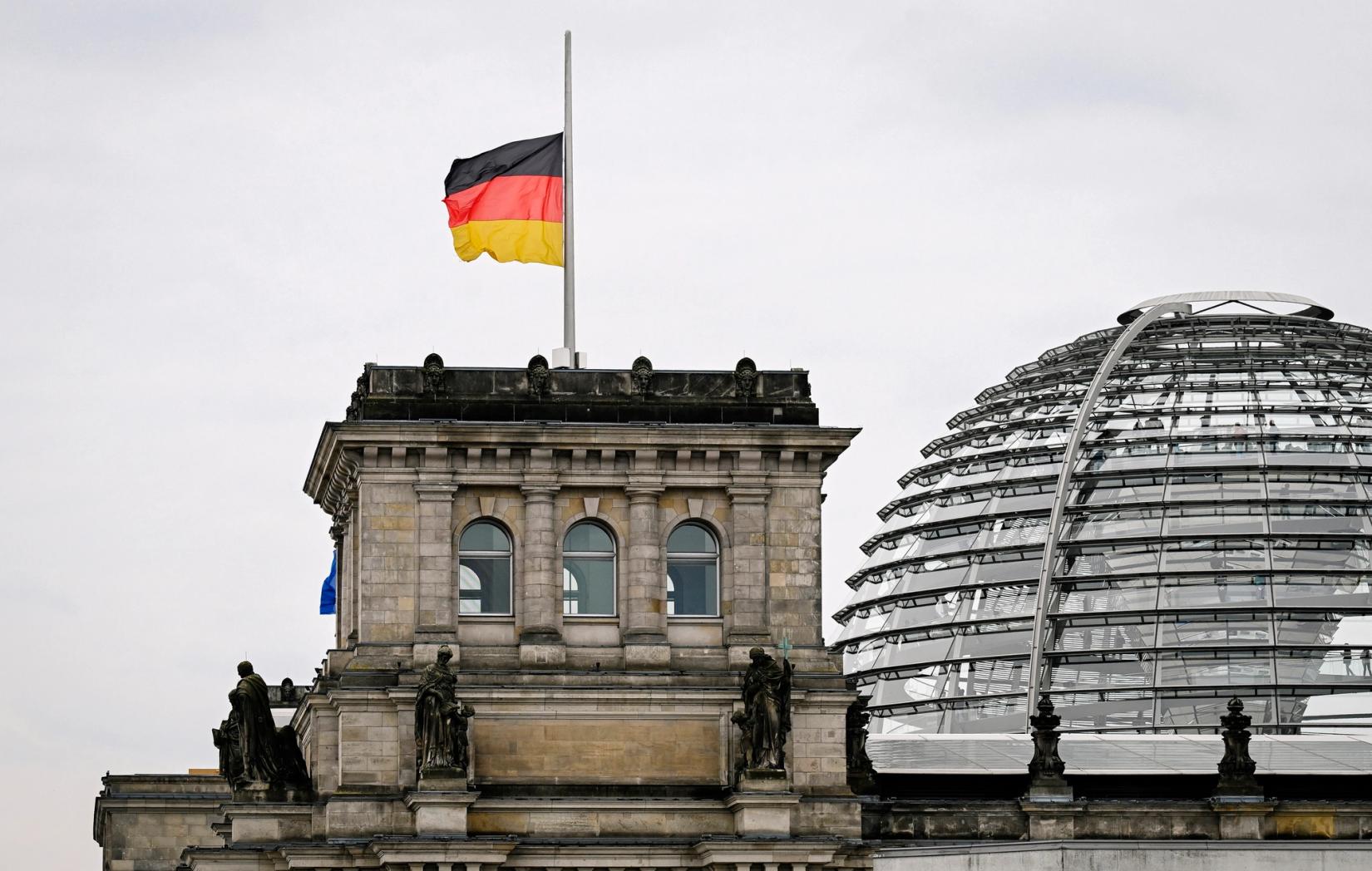
"Deutschland muss Lage von Exilmedien verbessern". Pressemitteilung zum Parlamentarischen Frühstück im Bundestag
Berlin, 10. September 2026. Parlamentarisches Frühstück im Deutschen Bundestag: Abgeordnete des Deutschen Bundestages, Vertreterinnen und Vertreter der Bundesministerien sowie exilierte Journalistinnen und Journalisten erörterten den Schutz vor transnationaler Repression sowie die Finanzierung und Widerstandsfähigkeit unabhängiger Medien im Exil. Es wurden engere Zusammenarbeit gegen transnationale Repression, Fortführung der Förderprogramme, politischer Druck gegen Desinformation und die Benachteiligung von Exilmedien auf Tech-Plattformen vereinbart.
Vor dem Hintergrund zunehmender transnationaler Repression und der sich verschärfenden Lage exilierter Redaktionen fand am 10. September 2026 im Deutschen Bundestag ein Parlamentarisches Frühstück statt. Initiiert wurde die Veranstaltung von der taz Panter Stiftung und jinn, Berliner Hub für Exilmedien, und durchgeführt in Zusammenarbeit mit den Mitgliedern des Deutschen Bundestages Adis Ahmetović (SPD) und Nancy Faeser (SPD). Das Treffen bot Gelegenheit zum fachlichen Austausch zwischen den Medienschaffenden aus Aserbaidschan, Iran, Mexiko, Russland, Venezuela, Vietnam, und den Abgeordneten des Deutschen Bundestages, Vertreterinnen und Vertretern des Auswärtigen Amtes, des Bundesministeriums des Innern und der Beauftragten der Bundesregierung für Kultur und Medien.
Nancy Faeser (SPD), Mitglied des Auswärtigen Ausschusses, eröffnete das Parlamentarische Frühstück und unterstrich die Bedrohung transnationaler Repression, die bis über die deutsche Grenze hinweg wirkt: von Überwachung, Einschüchterung und unmittelbaren Drohungen. Exilmedien seien für die freie Meinungsbildung unverzichtbar, und Deutschland müsse ihre Lage im Blick behalten und im engen Dialog mit den unabhängigen Medien im deutschen Exil bleiben.

Gemma Teres Arilla, Geschäftsleiterin der taz Panter Stiftung, verdeutlichte die Bedeutung der Förderprogramme und Fellowships für bedrohte Journalistinnen und Journalisten und wies auf die anhaltenden Schwierigkeiten bei der Visavergabe hin. Sie hob zudem die Situation exilierter Belarussinnen und Belarussen hervor, die ihre Pässe im Ausland nicht verlängern können. Diese Einschränkung gehört zu den Instrumenten transnationaler Repression des Lukaschenka-Regimes, das Journalistinnen, die Menschen im Exil zur Rückkehr nach Belarus zwingen will, um sie bei der Einreise an der Grenze festzunehmen.
Sergey Medvedev, Gründer von jinn, betonte die zentrale Rolle exilierter Redaktionen, die für die Menschen in den Herkunftsländern häufig die einzige alternative Informationsquelle darstellen. Er beschrieb die kritische Lage der Exilredaktionen und freien Journalist*innen nach der Einstellung der US-amerikanischen Förderung, eines großen Förderprogramms im Vereinigten Königreich und Kürzungen deutscher Förderprogramme. Da autoritäre Regierungen den unabhängigen Medien und NGOs Werbeeinnahmen im Inland ebenso verwehren wie Spenden ihrer dortigen Leserschaft, sind die Exilmedien auf Einnahmen und öffentliche Projektmittel im Ausland angewiesen. Sergey Medvedev hob überdies den eigenständigen Anteil der Exilmedien zur demokratischen Resilienz in Deutschland hervor. Dazu leisten sie wichtigen Beitrag durch ihre investigative Arbeit zu Desinformation, durch Recherchen zu Geldwäsche und Korruption, durch Aufklärung über autoritäre Regime und ihre Vertreter sowie durch die Zusammenarbeit mit deutschen Medien.
Die Diskussion konzentrierte sich weiterhin auf vier Themenfelder.
Im Mittelpunkt stand erstens die transnationale Repression einschließlichkonkreter Fälle in Deutschland, darunter die Bedrohungen gegen den vietnamesischen Chefredakteur von thoibao.de, Le Trung Khoa, der in Deutschland seit nahezu zehn Jahren unter Polizeischutz steht.

Zweitens wurde die Notwendigkeit besonderer Unterstützungs- und Visaregelungen für Journalistinnen und Journalisten erörtert, die in Kriegsgebieten und autoritären Staaten verbleiben, damit sie für Schutzprogramme nach Deutschland kommen können – etwa für die sechsmonatigen Erholungsprogramme der taz Panter Stiftung und von Reporter ohne Grenzen.
Drittens wurde die Situation von Unterstützungsprogrammen diskutiert: Nach dem Wegfall wichtiger Fördermittel ist die öffentliche Förderung durch Deutschland und die EU für die meisten Exilmedien – und insbesondere für investigative Teams – die einzige verbliebene finanzielle Grundlage ihrer Berichterstattung.
Viertens ging es um das BigTech und das Verhalten der Plattformen, die es den Zensurbehörden und Sicherheitsdiensten autoritärer Regierungen ermöglichen, unabhängige Medien im Exil durch Sperrungen oder das Löschen der Veröffentlichungen zum Schweigen zu bringen. Zugleich stellen insbesondere Google News, Facebook und YouTube ihre Plattformen weiterhin staatlich kontrollierten Medien und Desinformationskanälen zur Verfügung. Ihre Algorithmen begünstigen die Verbreitung von Informationsmanipulation.
Holger Mann, Mitglied des Deutschen Bundestages (SPD), bat die anwesenden Journalistinnen und Journalisten, konkrete Fälle dafür zu übermitteln, wie Google, Meta und weitere Plattformen ihre Inhalte sperren und zugleich ihre Infrastruktur für Informationsmanipulation bereitstellen, und regte an, diese Fälle über politische Kanäle einzubringen.
Vertreterinnen und Vertreter des Auswärtigen Amtes und des Bundesministeriums des Innern gingen zudem auf den Schutz vor transnationaler Repression ein. Sie verwiesen auf die neue Handreichung des Bundesamtes für Verfassungsschutz für Betroffene, auf die Bedeutung einer Kontaktaufnahme in Akutlagen über den Polizeinotruf sowie auf die eigens eingerichtete Meldestelle der Behörde.
Thomas Weichert vom Bundesministerium des Innern führte aus, dass die Frage eines vereinfachten Verfahrens für humanitäre Visa eine politische Frage bleibe und ohne eine weitere Entscheidung der Bundesregierung nicht verändert werden könne. Für sonstige Visaangelegenheiten sei weiterhin das Auswärtige Amt zuständig und als Ansprechpartner verfügbar.
Claudia Gabriele Schmitz vom Referat für Medienfreiheit des Auswärtigen Amtes stellte das Programm der Hannah-Arendt-Initiative vor, das gefährde Medienschaffende weltweit auf drei Ebenen unterstützt: durch direkte Hilfe für Journalistinnen und Journalisten in Krisenregionen vor Ort, über Medien-Hubs in Nachbarländern sowie in Zusammenarbeit mit der Beauftragten der Bundesregierung für Kultur und Medien innerhalb Deutschlands.
Alexis Below, Referent des Auswärtigen Amts für Kultur- & Medienbeziehungen zu Russland, Belarus und Ukraine, wies darauf hin, dass weitere Unterstützung über das Programm Östliche Partnerschaft und Russland erfolgt.
In der abschließenden Runde wurden weitere Herausforderungen und Fälle dargelegt. Leyla Mustafayeva, die Chefredakteurin von Qazetci, (Aserbaidschan) und Vania Pigeonutt, Journalistin aus Mexiko, schilderten Fälle von Gewalt und Einschüchterung, aber auch die Ermordung von Journalistinnen und Journalisten. Gabriela Ramirez aus Venezuela mahnte, der Schutz gefährdeter Medienschaffender dürfe nicht an einen Regierungswechsel geknüpft werden: Syrische Journalistinnen und Journalisten hätten ihren Schutzstatus mit dem Sturz des Assad-Regimes verloren, obwohl weder Syrien noch Venezuela heute für Medienschaffende sicherer geworden sei. Ekaterina Martynova (Russland) dankte dem Auswärtigen Amt für dessen Unterstützung und betonte, Förderungen wie das Programme „Östliche Partnerschaft und Russland” seien für Exilmedien von existenzieller Bedeutung, sie benötigten allerdings längerfristige Perspektiven.
Das Parlamentarische Frühstück endete mit der Vereinbarung, bei der Aufklärung von Fällen transnationaler Repression enger zusammenzuarbeiten, Unterstützungs- und Förderprogramme für gefährdete Journalistinnen und Journalisten sowie für exilierte Redaktionen fortzuführen, gegenüber den großen Technologieplattformen auf politischer Ebene darauf hinzuwirken, dass unabhängige Medien nicht länger zum Schweigen gebracht werden, und diesen Dialog in weiteren Gesprächsrunden fortzusetzen.
Jinn und die taz Panter Stiftung und unsere Journalistinnen- und Journalistennetzwerke danken den Mitgliedern des Deutschen Bundestages für den offenen Dialog, den engagierten Austausch und ihre fortwährende Unterstützung. Wir sehen den nächsten Gesprächsrunden mit dem Ziel entgegen, die Arbeit gefährdeter Journalistinnen und Journalisten sowie Exilredaktionen in Deutschland sicherer und nachhaltiger zu gestalten.
